Construction has commenced on the steel‑structure prefabricated experimental office building of Binzhou Hongji Building Materials Co., Ltd.
Release Date:
2020-12-02
Information Summary:
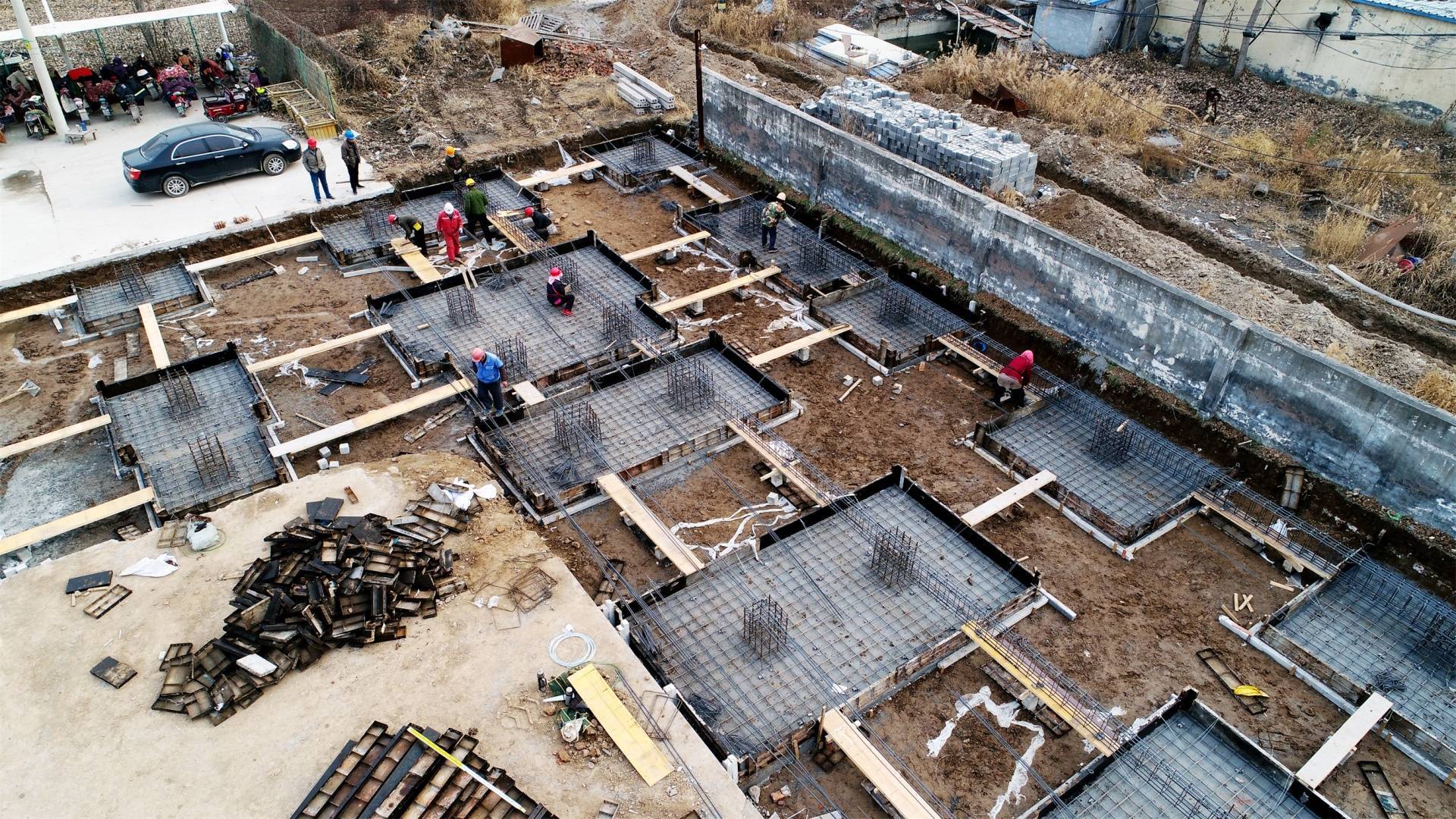
On November 24, 2020, the steel‑structure prefabricated experimental office building of Binzhou Hongji Building Materials Co., Ltd. officially broke ground.
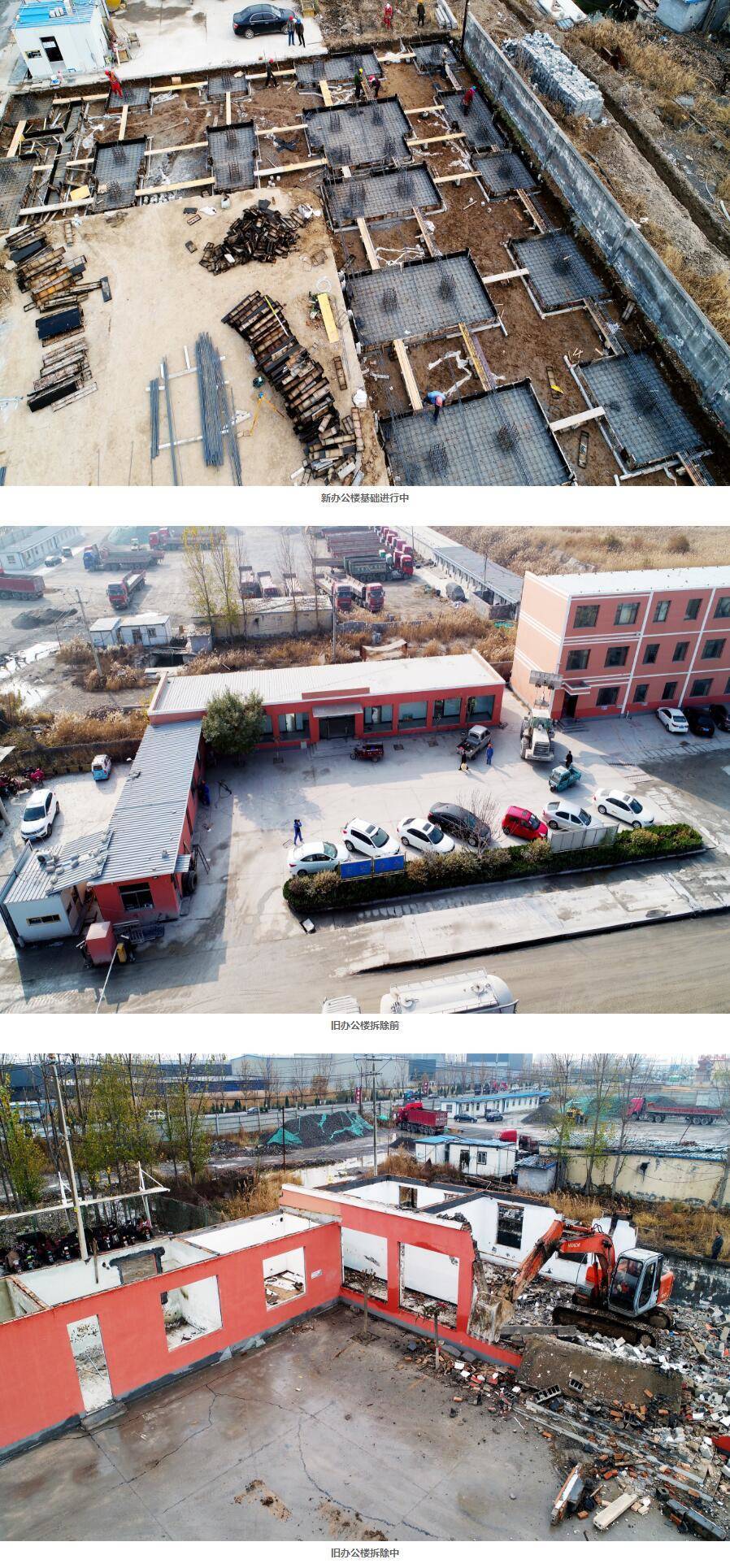
Prefabricated construction
Prefabricated construction refers to a building approach that shifts much of the on-site work traditionally performed at the construction site to the factory. In the factory, structural components and prefabricated parts—such as floor slabs, wall panels, stairs, and balconies—are manufactured, transported to the construction site, and assembled using reliable connection methods. At present, more than 30 provinces and municipalities across China have issued specific guidelines and supporting measures for prefabricated construction, mandating a prefabrication rate of 20% to 40%. According to the Ministry of Housing and Urban–Rural Development’s plan, by 2025, prefabricated buildings are expected to account for over 50% of all new constructions. With unprecedented policy support, the development of prefabricated construction is gaining rapid momentum.
Types and Characteristics of Prefabricated Steel Structures
I. Prefabricated steel‑frame non‑load‑bearing wall panels, suitable for buildings up to 100 meters in height.
Features: The contact points can be freely adjusted during installation, enabling quick and convenient construction that is safe and reliable.
II. Prefabricated concrete load-bearing wall panels, suitable for multi-story buildings.
Features: Steel wire rope connection nodes are installed concurrently with beam and column construction; after casting, the structure exhibits high strength, and the wall panels remain crack-free as a whole.
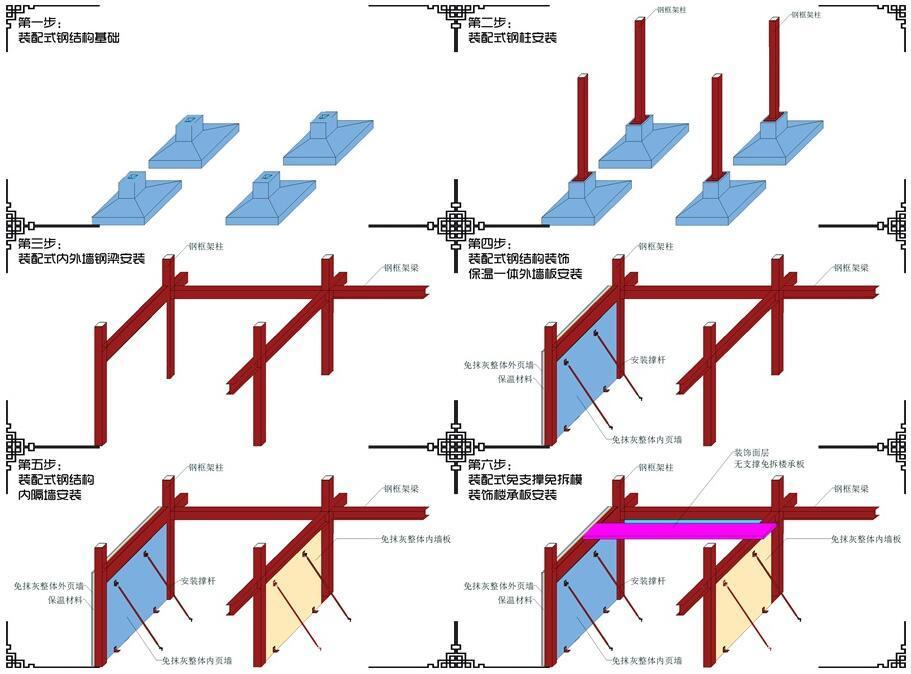
Traditional prefabricated
Compared with cast-in-place concrete construction, prefabricated buildings are faster to construct, less constrained by climatic conditions, and generate significantly less construction waste. However, this construction method has certain limitations: it is rarely used in high-rise buildings and imposes constraints on the dimensions of structural components. In high-rise applications, a common issue lies in the vertical‑structure connection system—specifically, the sleeve‑splicing technique. In this method, the two reinforcing bars to be joined are inserted into a sleeve, after which a non‑shrinkage, high‑strength grout composed of cement, fine aggregates, and admixtures is injected. The reverse‑insertion connection configuration is illustrated in the figure below.
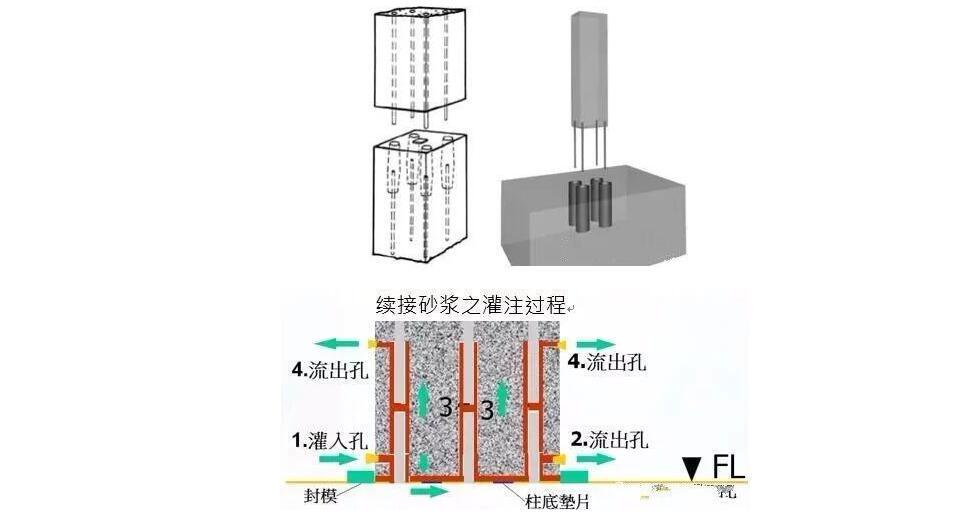
High manufacturing precision is required to ensure that dimensional deviations remain within allowable tolerances; otherwise, the components shall not be installed, thereby preventing compromise of vertical structural strength and significantly reducing seismic performance.
More information
Truss Deck Crack Detection Plan
2025-07-07


Send us an email, and we’ll have a surprise for you.
Contact Us

HI
Contact us for more special offers!