HW-120 External Formwork Equipment

Product Description
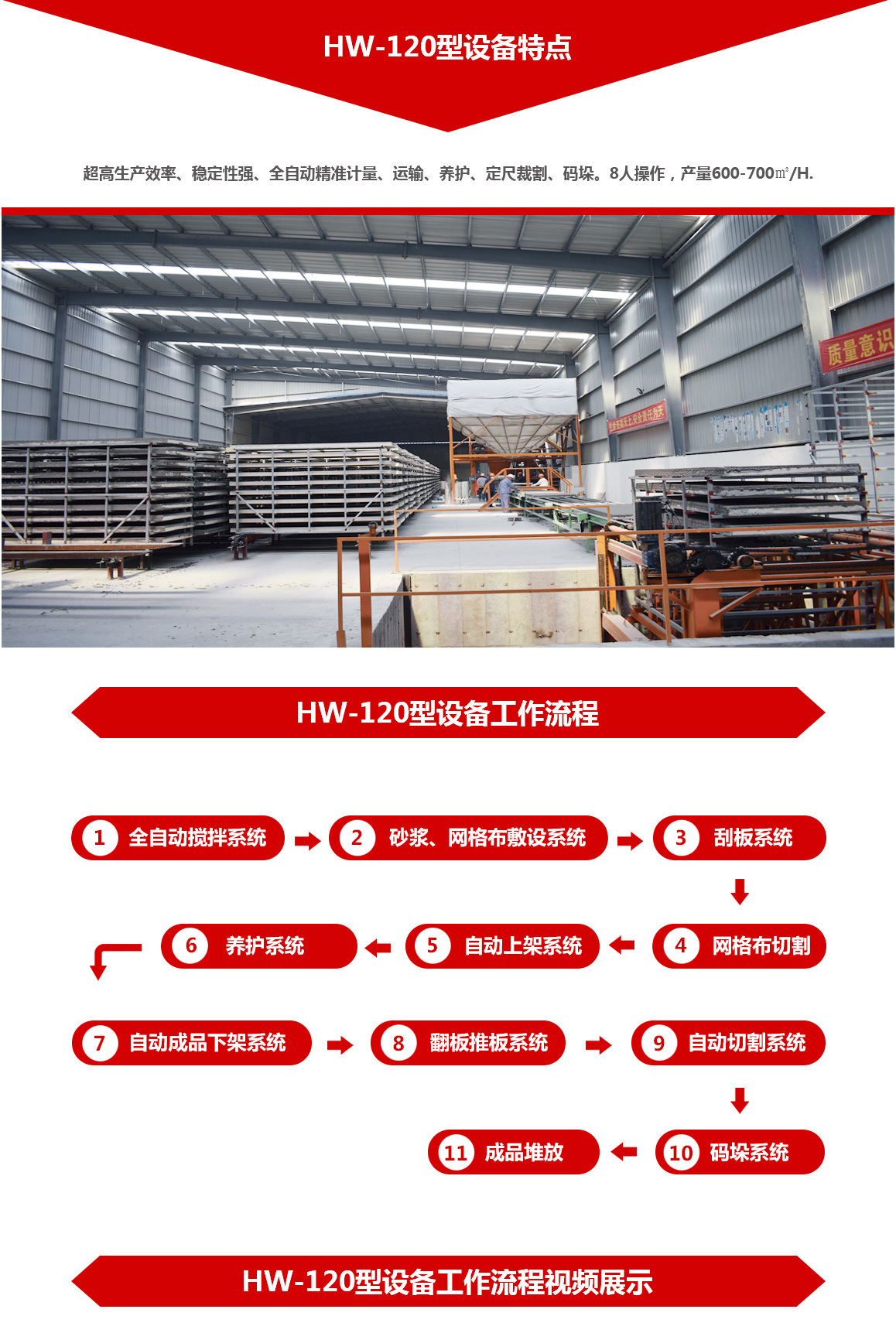
External formwork equipment
What is the definition of the HJ prefabricated non‑removable bottom‑form steel truss composite slab, and how does it differ from commonly used composite slabs?
HJ Prefabricated Non-Removable Bottom-Form Steel Truss Composite Slab: Can serve as an integral, non-removable formwork for the main structure.
Production is carried out using an intelligent manufacturing approach, with a 20-mm fine‑aggregate concrete slab serving as the base. Reinforced truss members are securely anchored to the base slab, forming an integral structural unit.
Construction phase: The bottom slab serves as formwork, eliminating or minimizing the need for shoring.
Service stage: The bottom formwork and the cast-in-place concrete jointly bear the load, serving as the concrete cover for the bottom chord reinforcement and as an integral part of the floor slab structure, eliminating the need for removable formwork.
What are the core competitive advantages of the HJ prefabricated, non-removable bottom-formwork steel truss composite panel manufactured by our company?

What are the quality inspection standards for HJ prefabricated, non-removable bottom-formwork steel truss composite slabs?
Site Acceptance Phase — Basis: Industry Standard JC/T “Technical Specification for the Application of Non-Removable Bottom-Formwork Steel Truss Composite Slabs,” Appendix E.
Test method: (taking 2-80 as an example)
For every 100 panels, two are randomly selected as test samples. A load of 390 kg/m² is applied to each sampled panel in three equal increments, with a support span of 200 cm. After each increment of 130 kg/m², a water‑spraying test is conducted on the top surface, and the bottom‑side water penetration is inspected at 10‑minute intervals. Upon completion of the three loading stages and three watering cycles, a panel is deemed acceptable if the length of any single crack does not exceed 50 mm, the crack width is no greater than 0.1 mm, and there are no more than two cracks per panel.
Completion and Acceptance Phase — Basis: Industry Standard JC/T “Technical Specification for the Application of Non-Removable Bottom-Formwork Steel Truss Composite Slabs,” Appendix G.
The bottom surface of the HJ prefabricated non‑removable bottom‑form steel truss composite slab shall not exhibit any serious defects. For cracks or other defects that have already appeared, the construction unit shall submit a technical remediation plan (refer to Appendix G), which must be approved by the supervision unit before implementation. Any treated areas shall be re‑inspected and accepted.
Crack repair for HJ prefabricated non-removable bottom-formwork steel truss composite slabs employs methods such as surface sealing, injection, and dense filling.
Are there any representative project cases? What types of structures is this product suitable for?


Send us an email, and we’ll have a surprise for you.
Contact Us
HI
Contact us for more special offers!